Virtual Reality: Must-Have, Stunning Exploration Revolution
Virtual Reality: Must‑Haul, Stunning Exploration Revolution
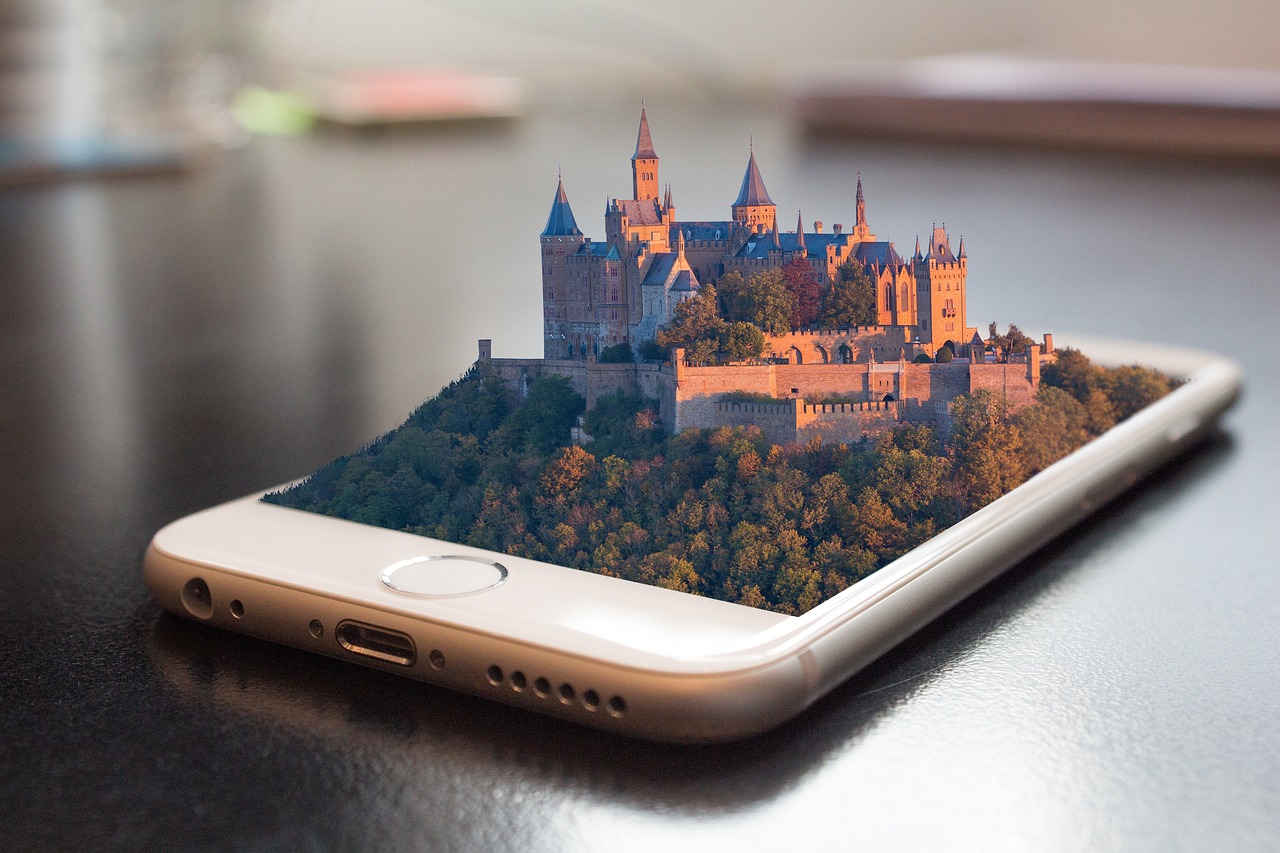
Virtual Reality is no longer the science‑fiction playground of the past decade—it has become an indispensable travel tool for the curious, the tech‑savvy, and the sustainability‑conscious alike. With a few head‑sets and a packed itinerary, explorers can now experience the grandeur of Kyoto’s cherry blossom terraces, the weightlessness of the bat‑cave tours in Cuba, and the hidden neighborhoods of Istanbul without ever leaving their hotel room. In this guide, we’ll navigate the digital landscape that is reshaping how we sample the world, highlighting the most compelling VR offerings that merge culture, tech, and adventure into one immersive journey.
—
How to Get There: The Building Blocks of Virtual Exploration
Select the Right Hardware
The first step is assembling a headset that balances performance, comfort, and price. Popular options include Meta Quest 3 for an all‑in‑one wireless experience, Sony AR‑VR w/ PlayStation VR 2 for console gamers, and HP Reverb G2 for PC‑connected fidelity. Each platform offers a unique suite of VR travel experiences, from Google’s “Google Earth VR” to Sembly’s “The Journey.”
Connect Smartly with AI Travel Tools
AI travel applications are now the backbone of smart travel. ChatGPT‑powered itinerary planners can recommend VR-enabled destinations based on your personal interests, while Copy.ai streamlines travel marketing copy using real‑time data. This synergy means you can arrive at a destination already familiar with its top cultural sites—or, for the ultimate immersion, plan your trip inside a VR world.
Find the Best Simulations for Each Destination
Sites like Meta Quest Store and SteamVR offer curated travel simulations. For sustainable travel enthusiasts, look for eco‑based simulations that educate visitors on local conservation projects. For example, the “Green Planet” VR experience allows users to walk through a carbon‑neutral city while learning how sustainable design transforms daily life.
—
Why It Matters: VR as a Lens for Culture, Tech, and Adventure
A New Social Share
Travel blogs and social media campaigns are racing to capture the buzz around VR travel. Influencers are uploading 360° footage from VR tours to Instagram Reels and TikTok, showcasing the world’s wonders in ways that are impossible for traditional photography. This wave of travel marketing is more than a trend; it’s a new platform where storytelling meets immediate immersion, compelling audiences to stay longer.
Augmenting Digital Nomad Lifestyle
Digital nomads—a growing demographic eager to record, collaborate, and grow remote—can use VR to network in a global sense. Platforms like Rec Room and VRChat host meet‑ups for conference agendas, workshops, and peer‑mentoring. It lets nomads maintain a work‑life balance while experiencing local culture without the logistical noise of airfare and visas.
Sustainable Travel through Virtual Experiencing
Sustainable travel advocates argue that VR can reduce carbon footprints by providing immersive alternatives to high‑flight itineraries. Behind the scenes, tech companies are partnering with local tour operators to deliver VR experiences of fragile ecosystems, protected cultural sites, and remote villages. A 2024 study found that one VR session can reduce a traveler’s carbon emissions by up to 5% when compared to a traditionally advised circuit.
Preserving Cultural Heritage
VR technology is also a preservation tool. UNESCO has launched an archive to recreate 3‑D models of endangered heritage sites, allowing future generations to experience their heritage before it befalls natural or human‑induced damage. Virtual museum tours now feature high‑resolution scans of famous art pieces, while ancient ruins can be browsed in shimmering realism.
—
Pro Tips: Making the Most of Your Virtual Adventure
1. Map Out Your Itinerary in VR First
Spend an evening in VR exploring the destinations on your bucket list. By comparing 360° virtual travel to the real world, you’ll gain context for the places you’ll physically visit later—maximizing time on cultural highlights and sparing you the anxiety of missing landmarks.
2. Keep It Connected with Smart Travel Apps
Download a dedicated travel app that interfaces with your VR headset—such as “NearMe VR” or “TravelLens.” These apps provide real‑time context, such as the best time to visit a virtual canyon or VR diagnostics that help your system run smoothly.
3. Blend VR with Physical Sightseeing
For the “living your dream” mentality of many explorers, combine VR in the morning with on‑site touring by afternoon. The VR pre‑visit primes your mind to appreciate finer details. A common example is visiting the Old Quarter of Hanoi waking up: first, go to the VR simulation of a street market, then head out to physically taste the street food.
4. Prepare for Sensory Overload
VR can be intense for some travelers. Keep break intervals to glance at real windows, drink water, and adjust headset settings—especially brightness and field of view—to avoid motion sickness. For elderly travelers or children, start with lower intensity settings.
5. Stay Savvy on Security and Privacy
Virtual experiences are often powered by proprietary databases of cultural‑heritage imagery. Make sure that the platform you use encrypts user data and provides an active opt‑out from data collection—especially if you’re using a device that stores personal travel patterns.
—
VR in Action: Case Studies from Around the World
Kyoto’s Cherry Blossom VR
The experience: Users don the headset and are guided through a blooming cherry‑blossom-greek courtyard. AI chat provides contextual Japanese poetry, while the interactive “Focus Lens” zooms into architectural details of traditional gardens.
Benefits: Reduced cost for seeing the season, educational support for language learners, and environmental protection as the physical flowers stay untouched.
Amazon Rainforest Contour VR
Deeply immersive, the simulation models the over canopies at a real‑time resolution of 4 K. Digital nomads can document their exploration while verifying that actual deforestation rates keep below the simulated data.
Istanbul’s Old City VR
The VR tour includes the Hagia Sophia’s historic exhibition, combined with a narrated self‑guided audio tour that describes the subtle interplay between Byzantine and Ottoman architecture. The application includes a virtual “passport” that logs time spent in each detail, providing quantifiable accomplishments for travelers.
—
The Future: Integrating AR, Live Streaming, and VR at Travel Festivals
Events such as the “Digital Nomad Expo” in Berlin now feature VR travel booths where participants experience snippet tours from Patagonia and Iceland in real time while network via live streaming. These setups invite industry leaders to showcase VR marketing strategies that keep brand resonance high, audience engagement poignant, and cultural narratives authentic.
AI-powered language translation embedded in VR headsets eliminates language barriers in heritage sites, enabling travelers to read plaques in their own language without needing a guide. The synergy between AI, VR, and sustainable travel is set to create an eco‑friendly yet narrative‑rich paradigm for future generations of wanderers.
—
Takeaway: The New Smart Travel Palette
Virtual Reality’s rapid integration into mainstream travel stories showcases a vital trend: tech is now a primary lens through which cultural landscapes are understood, marketed, and preserved. AI‑enhanced travel planning, VR-enabled cultural documentation, and digital nomad communities forming around VR experiences collectively underscore smart travel’s essential nature in the next decade.
Rather than merely a novelty, VR is becoming a practical, ethically grounded, and financially sustainable instrument—one that supports environmental stewardship while simultaneously amplifying the human desire to explore. Whether you’re a seasoned traveler, a tech enthusiast, or a sustainability advocate, VR provides a bridge that connects you to cultures unseen, adventures untamed, and a world that continuously evolves just around the corner.
Then, as you push that next ring and step into a new sensory realm, remember that every pixel you immerse yourself in is a step toward understanding the world’s intricate tapestry—ones you can live, learn, and honor, all while keeping your footprints light on the Earth.