Digital Marketing Consultants: Must-Have Best for Tourism
Digital Marketing Consultants: Must-Have Best for Tourism
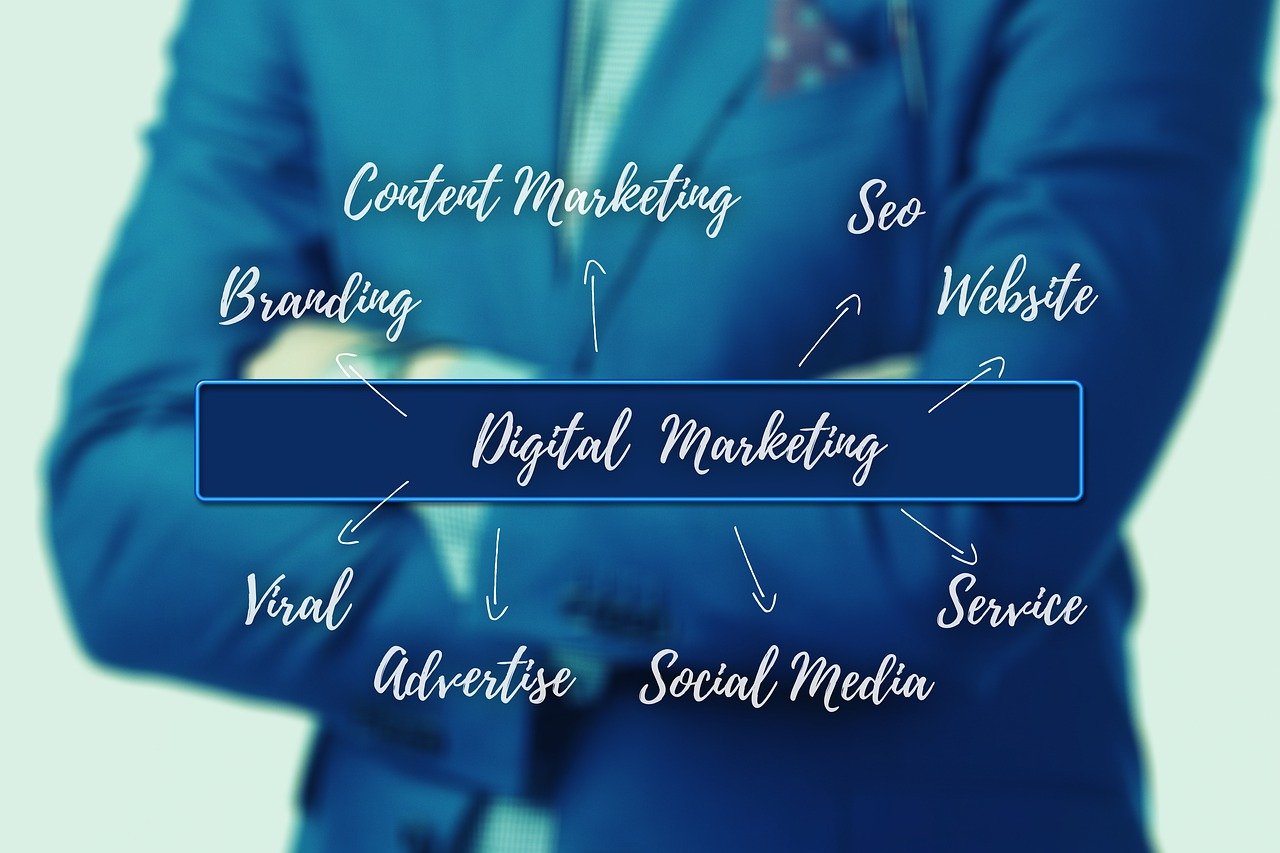
In an era where a single click can book a flight, reserve a boutique hotel, or book a local guide, the tourism industry has become a high‑stakes arena for digital visibility. The phrase “Digital Marketing Consultants: Must-Have Best for Tourism” is no longer a marketing slogan; it is a strategic imperative for destinations, hotels, and travel agencies that wish to thrive in a crowded, data‑driven marketplace.
—
Digital Marketing Consultants: Must-Have Best for Tourism – Why They Matter

Tourism is a multi‑layered ecosystem that blends culture, technology, and human experience. A seasoned digital marketing consultant brings a holistic perspective that aligns brand storytelling with measurable outcomes. They translate a destination’s unique heritage into compelling content, optimize that content for search engines, and deploy targeted campaigns that resonate with niche audiences—from luxury travelers to eco‑conscious backpackers.
The impact is tangible: a well‑executed digital strategy can lift a small island resort’s online bookings by 30 % in a single quarter, or help a regional heritage site attract a new wave of digital nomads by showcasing coworking spaces and visa policies. In short, consultants act as the bridge between a destination’s cultural assets and the global traveler’s digital journey.
—
How to Get There: Selecting the Right Consultant
Choosing a consultant is akin to selecting a travel itinerary: you need a clear route, reliable checkpoints, and a sense of adventure. Here are practical criteria to evaluate potential partners:
| Criterion | What to Look For | Practical Example |
|———–|——————|——————-|
| Industry Experience | Proven track record in tourism or hospitality | A consultant who has managed campaigns for a UNESCO World Heritage site in Kyoto |
| Technical Skillset | Proficiency in AI travel tools, SEO, and analytics | Familiarity with ChatGPT for content generation and Google Analytics for performance tracking |
| Cultural Sensitivity | Ability to adapt messaging to local customs | A team that has worked with community‑based tourism projects in the Galápagos |
| Sustainability Focus | Integration of eco‑friendly practices in marketing | Use of carbon‑offset tools like Climate Neutral Now in campaign planning |
| Data‑Driven Approach | Use of dashboards, A/B testing, and ROI metrics | Implementation of a real‑time KPI dashboard for a boutique hotel chain |
Start by requesting case studies that demonstrate measurable growth. Ask for a brief audit of your current digital presence to gauge the consultant’s analytical depth. Finally, ensure that the consultant’s communication style aligns with your organization’s culture—whether you prefer weekly video calls or monthly written reports.
—
Why It Matters: Impact on Tourism Growth
The tourism sector is increasingly competitive, with travelers making decisions based on online reviews, social media buzz, and personalized recommendations. Digital marketing consultants help destinations:
1. Amplify Authentic Storytelling – By crafting narratives that highlight local traditions, culinary heritage, and hidden gems, consultants turn a destination into a living story rather than a static brochure.
2. Optimize Search Visibility – Through keyword research, on‑page SEO, and local listings, they ensure that travelers searching for “sustainable trekking in Patagonia” find your destination first.
3. Leverage Data for Personalization – Using AI travel tools, consultants can segment audiences by travel intent, enabling hyper‑targeted email campaigns that drive conversions.
4. Enhance User Experience – From mobile‑friendly booking flows to interactive virtual tours, consultants improve the digital touchpoints that influence booking decisions.
The result is a higher conversion rate, increased average spend per visitor, and a stronger brand reputation that attracts repeat travelers.
—
Pro Tips: Leveraging AI Travel Tools and Smart Travel Strategies
Modern travelers rely on a suite of digital tools to plan, book, and share their journeys. Consultants who master these tools can give destinations a competitive edge:
– ChatGPT & Jasper – Generate engaging blog posts, FAQs, and social media captions in multiple languages, reducing content production time.
– Hopper & Skyscanner – Analyze price trends and forecast optimal booking windows, allowing destinations to offer dynamic pricing or last‑minute deals.
– Rome2rio & Google Maps API – Provide real‑time travel itineraries that integrate public transport, bike rentals, and walking routes, enhancing the traveler’s on‑ground experience.
– Canva & Adobe Spark – Create visually stunning graphics that showcase local festivals, wildlife, or architectural marvels, perfect for Instagram reels or Pinterest boards.
– Google Analytics 4 & Hotjar – Track user behavior on your website, identify drop‑off points, and iterate on the booking funnel.
Smart travel is not just about convenience; it’s about creating a seamless, data‑driven journey that feels personalized. Consultants can set up automated email sequences that trigger when a traveler bookmarks a destination, nudging them toward booking with tailored offers.
—
Sustainable Travel and Digital Marketing: A Symbiotic Relationship
Sustainability is no longer a niche concern; it is a core expectation of modern travelers. Digital marketing consultants can embed sustainability into every touchpoint:
– Carbon‑Offset Campaigns – Promote partnerships with carbon‑offset programs, allowing travelers to offset their flight emissions directly through your booking platform.
– Local Experience Highlights – Feature community‑based tours, farm‑to‑table restaurants, and cultural workshops that support local economies.
– Eco‑Certification Badges – Showcase certifications such as Green Key or ISO 14001 on your website and in marketing materials to build trust.
– Responsible Travel Guides – Publish downloadable guides that educate travelers on minimizing waste, respecting wildlife, and supporting local artisans.
By aligning marketing messages with sustainable practices, destinations can attract the growing segment of eco‑conscious travelers while preserving their cultural and natural assets.
—
Digital Nomad Culture: Marketing to the New Generation of Travelers
The rise of remote work has birthed a new traveler archetype: the digital nomad. These individuals seek destinations that offer reliable Wi‑Fi, coworking spaces, and a vibrant community of like‑minded professionals. Consultants can tap into this market by:
– Showcasing Digital Nomad Visas – Highlight visa policies, such as Estonia’s e‑residence program or Barbados’ “12‑Month Digital Nomad Visa,” in dedicated landing pages.
– Promoting Coworking Hubs – Partner with local coworking spaces to offer bundled packages that include accommodation, workspace, and networking events.
– Creating Content Series – Produce “Day in the Life” videos featuring nomads working from a beachside café in Lisbon or a mountain lodge in Chiang Mai.
– Leveraging LinkedIn and Reddit – Target professional communities with sponsored posts and AMA sessions that answer questions about living and working abroad.
Digital nomads are highly engaged online, often sharing their experiences on platforms like Instagram, TikTok, and Medium. A consultant’s role is to amplify those stories, turning them into authentic brand ambassadors.
—
Travel Marketing Trends: From Influencer Partnerships to Data‑Driven Campaigns
The landscape of travel marketing is evolving rapidly. Here are key trends that consultants should weave into their strategies:
| Trend | How It Works | Example |
|——-|————–|———|
| Micro‑Influencer Collaborations | Partner with niche influencers who have highly engaged followings in specific travel segments | A local food blogger promoting a hidden ramen shop in Osaka |
| User‑Generated Content (UGC) | Encourage travelers to share photos and reviews, curating a community‑driven narrative | A hashtag campaign that compiles travelers’ photos of the Northern Lights |
| AI‑Powered Personalization | Use machine learning to recommend itineraries based on past behavior | A travel site that suggests a “Cultural Immersion Package” after a user books a museum tour |
| Voice Search Optimization | Optimize content for voice queries like “best eco‑friendly hotels in Costa Rica” | Structured data markup that helps voice assistants provide accurate answers |
| Interactive Storytelling | Deploy 360° videos, AR filters, and virtual reality tours | An AR filter that overlays historical facts on a landmark in Rome |
Consultants who stay ahead of these trends can position destinations as forward‑thinking, tech‑savvy, and traveler‑centric.
—
Case Study: A Boutique Resort in Bali
Background – A 12‑room eco‑resort in Ubud sought to increase direct bookings and attract digital nomads.
Challenges – Low online visibility, fragmented marketing efforts, and limited data on traveler preferences.
Consultant’s Approach
1. SEO & Content – Developed a blog series on “Sustainable Living in Bali” and optimized for long‑tail keywords such as “eco‑friendly coworking spaces Bali.”
2. AI‑Driven Personalization – Implemented a chatbot powered by ChatGPT to answer FAQs and recommend packages.
3. Influencer Partnerships – Collaborated with micro‑influencers in the wellness and remote‑work niches, resulting in 15 % more social engagement.
4. Sustainability Storytelling – Created a video series featuring local artisans and the resort’s solar‑powered infrastructure.
Results – Direct bookings rose by 42 % within six months, and the resort’s average daily rate increased by 18 %. The resort also gained a 4.7‑star rating on TripAdvisor, largely driven by UGC from satisfied digital nomads.
—
Tools and Apps Every Consultant Should Know
| Tool | Purpose | Why It Matters |
|——|———|—————-|
| Google Analytics 4 | Web and app analytics | Provides insights into user behavior and conversion paths |
| SEMrush / Ahrefs | SEO research | Identifies keyword opportunities and backlink gaps |
| Hootsuite / Buffer | Social media scheduling | Ensures consistent posting across platforms |
| Canva Pro | Graphic design | Enables quick creation of high‑quality visuals |
| ChatGPT / Jasper | Content generation | Accelerates copywriting for blogs, ads, and emails |
| Hotjar | Heatmaps & surveys | Reveals how users interact with your site |
| Skyscanner API | Flight data | Integrates real‑time flight prices into booking widgets |
| Rome2rio API | Multimodal transport | Offers comprehensive travel itineraries |
| Climate Neutral Now | Carbon offsetting | Allows travelers to offset emissions directly |
A consultant’s toolkit is a blend of analytical, creative, and technical resources that together drive measurable growth.
—
Conclusion
In a world where travelers are empowered by data, AI, and a growing desire for authentic, sustainable experiences, the role of a digital marketing consultant has never been more critical. By marrying storytelling with analytics, leveraging AI travel tools, and championing sustainable practices, consultants help destinations not only attract visitors but also create lasting, meaningful connections.
For tourism stakeholders—whether a small village, a luxury resort, or a national park—investing in a skilled consultant is an investment in the future of travel. It is the key to unlocking new markets, engaging the next generation of digital nomads, and ensuring that every journey is as memorable online as it is in person.
—