Digital Nomad Essentials: Must-Have Gear for Effortless Travel

Digital Nomad Essentials: Must‑Have Gear for Effortless Travel
The world is shrinking, and the digital nomad lifestyle is expanding at a dizzying pace. Whether you’re a freelancer chasing the next coffee shop with a reliable Wi‑Fi signal or a remote‑first employee exploring new cities while staying productive, the right gear can turn a chaotic itinerary into a seamless adventure. In this guide we’ll unpack the must‑have equipment that blends functionality, sustainability, and cutting‑edge technology, ensuring you stay connected, comfortable, and culturally attuned wherever you go.
—
1. The Core of Smart Travel: A Reliable Laptop and Power Solutions
1.1 Choosing the Right Laptop
A lightweight, high‑performance laptop is the backbone of any digital nomad’s toolkit. Look for models with a solid‑state drive (SSD) for speed, a battery life of at least 10–12 hours, and a robust processor (Intel i5/i7 or AMD Ryzen 5/7). The MacBook Air M2, Dell XPS 13, and Lenovo ThinkPad X1 Carbon are popular choices because they balance power and portability.
Why it matters: A dependable machine reduces downtime and lets you work from cafés, co‑working spaces, or even a hammock on a beach. Pair it with a high‑quality external monitor (e.g., ASUS ProArt PA278QV) for extended screen real‑time, and you’ll feel like you’re in a home office no matter where you land.
1.2 Powering Up on the Go
Traveling across time zones means you’ll encounter a variety of plug types. A universal travel adapter with USB‑C ports is essential. For power backup, consider a portable power bank with at least 20,000 mAh and fast‑charge capability. If you’re staying in a city for a week or more, a compact solar charger (like the Goal Zero Nomad 30) can keep your devices alive during power outages or when you’re off the grid.
Sustainable tip: Opt for a power bank that uses recycled materials and a solar charger that can be recharged via a standard outlet, reducing your carbon footprint.
—
2. Connectivity: AI Travel Tools and Smart Travel Apps
2.1 AI‑Powered Travel Planning
AI travel tools are revolutionizing how nomads plan itineraries. Platforms such as Hopper, Skyscanner’s AI engine, and Google Travel’s predictive pricing help you book flights and accommodations at the lowest possible rates. These tools analyze historical data, seasonal trends, and real‑time demand to suggest the best times to book.
Practical example: Hopper’s “Price Drop” feature can alert you when a flight’s price falls by 20% or more, saving you hundreds of dollars over a long‑term trip.
2.2 Smart Travel Apps for Daily Life
– Nomad List – A community‑driven database of cities ranked by cost, safety, internet speed, and expat friendliness. It’s invaluable for choosing your next base.
– PackPoint – An AI‑driven packing list generator that tailors suggestions based on trip length, weather, and activities.
– TravelCoin – A digital wallet that automatically converts currencies at the best rates, eliminating the need for physical cash.
Travel marketing insight: Many nomads use these apps to curate content for their blogs or social media, turning their journeys into engaging stories that attract sponsorships and collaborations.
—
3. Mobility: Gear for the Road, Rail, and Air
3.1 Luggage That Keeps Up
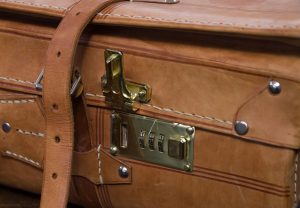
A durable, lightweight suitcase or duffel with a built‑in TSA lock and a detachable daypack is ideal. Brands like Away, Patagonia, and Eagle Creek offer models with integrated charging ports and smart compartments for electronics.
Sustainable travel note: Choose luggage made from recycled polyester or ocean‑plastic fibers to reduce environmental impact.
3.2 Portable Workspace
A foldable laptop stand (e.g., Rain Design mStand) and a lightweight, ergonomic mouse (Logitech MX Anywhere 3) can transform any surface into a productive workspace. A noise‑cancelling headset (Sony WH‑1000XM4) is essential for focus in bustling cafés or shared accommodations.
Cultural insight: In many Asian cities, “shared office” spaces are becoming hubs for local entrepreneurs. A portable setup allows you to join these spaces without committing to a long‑term lease.
—
4. Health and Well‑Being: Staying Fit on the Move
4.1 Compact Fitness Gear
A resistance band set, a jump rope, and a yoga mat can keep you active in any space. The TRX Home Kit offers a full‑body workout with just a door anchor and straps.
4.2 Wellness Apps
– Headspace – Guided meditation sessions tailored to travel stress.
– MyFitnessPal – Tracks nutrition and helps you maintain a balanced diet in unfamiliar markets.
– Sleep Cycle – Analyzes sleep patterns and wakes you up at the optimal time.
Travel marketing angle: Sharing wellness routines on platforms like Instagram or YouTube can attract brands in the health and fitness niche.
—
5. Security: Protecting Your Digital and Physical Assets
5.1 Cybersecurity Essentials
– VPN – A reliable VPN (ExpressVPN, NordVPN) protects your data on public Wi‑Fi networks.
– Password Manager – Tools like LastPass or 1Password store credentials securely and generate strong passwords.
– Two‑Factor Authentication – Enable 2FA on all critical accounts to add an extra layer of protection.
5.2 Physical Security
– RFID‑Blocking Wallet – Prevents electronic theft of credit card information.
– Portable Safe – A small, lockable pouch (e.g., TravelSafe) keeps passports and cash secure in hostels or shared accommodations.
—
6. Cultural Immersion: Tech That Bridges Gaps
6.1 Language Apps
– Duolingo – Quick lessons for basic conversational skills.
– HelloTalk – Connects you with native speakers for real‑time practice.
6.2 Local Experience Platforms
– Airbnb Experiences – Book guided tours, cooking classes, or cultural workshops.
– Tinder for Travelers – A niche app that matches you with locals for coffee or city tours.
Sustainable travel tip: Supporting local guides and artisans through these platforms helps preserve cultural heritage and boosts the local economy.
—
7. Eco‑Friendly Travel: Minimizing Your Footprint
7.1 Sustainable Gear
– Reusable Water Bottle – Brands like Hydro Flask or S’well reduce single‑use plastic waste.
– Eco‑Friendly Toiletries – Travel‑size, biodegradable products from companies like Lush or The Body Shop.
– Solar‑Powered Backpack – The Osprey Solar Backpack can charge devices while you hike or bike.
7.2 Responsible Accommodation
Use platforms that prioritize sustainability, such as Booking.com’s “Eco‑Friendly” filter or Airbnb’s “Sustainable Travel” options. Look for properties that use renewable energy, offer recycling programs, and support local communities.
—
8. Pro Tips for Effortless Travel
| Tip | Why It Helps | Practical Example |
|—–|————–|——————-|
| Plan a “Digital Detox” Day | Reduces burnout and encourages local exploration | Schedule a day in a city where you disconnect from work and focus on museums or nature walks. |
| Use a Cloud‑Based Backup | Protects data against device loss | Set up automatic backups to Google Drive or Dropbox. |
| Carry a Portable Wi‑Fi Hotspot | Ensures connectivity in remote areas | The Skyroam Solis offers global coverage with a single device. |
| Learn Basic Local Phrases | Enhances cultural immersion | A quick phrasebook or the Google Translate app can help in everyday interactions. |
| Stay Informed About Local Regulations | Avoids legal pitfalls | Check visa requirements, local COVID‑19 guidelines, and digital nomad visas (e.g., Estonia’s e‑residency). |
—
9. The Future of Digital Nomad Gear
The intersection of AI, sustainability, and connectivity is shaping the next generation of travel gear. Smart luggage that tracks location, solar‑powered charging stations in cafés, and AI‑driven health monitoring devices are becoming mainstream. As the digital nomad community grows, so does the demand for gear that not only supports productivity but also aligns with ethical and environmental values.
—
Final Thoughts
Equipping yourself with the right gear transforms the nomadic experience from a series of logistical challenges into a fluid, enriching journey. By blending reliable hardware, AI‑powered tools, and sustainable practices, you can maintain productivity, stay connected, and respect the cultures you visit. Whether you’re a seasoned traveler or just starting out, these essentials will help you navigate the world with confidence and ease.