The Future of Electric Transportation in Tourism Stunning-Best

The Future of Electric Transportation in Tourism Stunning‑Best: A New Era of Sustainable Travel
The Future of Electric Transportation in Tourism Stunning‑Best is no longer a speculative headline; it is the pulse that drives today’s travel industry. From electric scooters zipping through historic streets to autonomous buses ferrying tourists across sprawling metropolises, the shift toward zero‑emission mobility is reshaping how we explore the world. As governments tighten emissions targets and travelers increasingly demand greener options, electric transportation is becoming a cornerstone of sustainable tourism. This article examines the current landscape, highlights pioneering destinations, and offers practical guidance for travelers who want to ride the wave of electric mobility while staying true to their adventurous spirit.
—
How Electric Vehicles Are Redefining Travel Experiences
Electric vehicles (EVs) are more than just a cleaner alternative to combustion engines; they are a catalyst for new travel experiences. Battery‑powered cars, bikes, and even boats now offer quiet, efficient, and low‑impact journeys that let visitors immerse themselves in local environments without the noise and fumes of traditional transport. In many cities, electric car‑sharing fleets have become a staple of daily life, allowing tourists to hop on and off at will. The rise of electric scooters and bikes has also democratized short‑distance travel, turning city streets into vibrant, accessible playgrounds.
The integration of EVs into tourism infrastructure is evident in the proliferation of charging stations along popular routes. In Europe, the European Alternative Fuels Observatory reports that there are now over 200,000 public charging points, a figure that is expected to double by 2030. In the United States, the Department of Energy’s Alternative Fuels Data Center lists more than 30,000 public chargers, with a growing network of fast‑charging stations that can replenish a battery in under 30 minutes. These developments mean that travelers can plan itineraries with confidence, knowing that charging infrastructure is increasingly reliable.
—
Why It Matters: Sustainability and the Global Tourism Industry
Sustainable travel is no longer a niche preference; it is a global imperative. The tourism sector accounts for roughly 8% of global carbon emissions, and the majority of those emissions stem from transportation. By shifting to electric mobility, destinations can dramatically reduce their carbon footprint while still welcoming millions of visitors each year. Moreover, electric transportation aligns with the United Nations Sustainable Development Goals (SDGs), particularly SDG 11 (Sustainable Cities and Communities) and SDG 13 (Climate Action).
Beyond environmental benefits, electric transportation offers economic advantages. Lower operating costs for electric buses and taxis translate into savings for local governments and businesses, which can be reinvested in community projects or tourism infrastructure. Additionally, the adoption of EVs stimulates local innovation ecosystems, creating jobs in battery manufacturing, charging station installation, and software development.
—
Smart Travel: Integrating AI Travel Tools and Electric Mobility
The convergence of artificial intelligence (AI) and electric transportation is ushering in a new era of smart travel. AI‑driven apps can now predict optimal charging times based on real‑time traffic data, battery health, and user preferences. For example, the ChargePoint app uses machine learning to recommend the fastest charging stations along a route, while also providing real‑time availability updates. Similarly, the Tesla Supercharger network employs AI to balance load across its stations, ensuring that drivers experience minimal wait times.
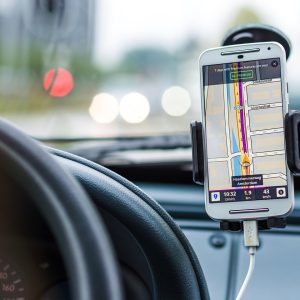
Travelers can also leverage AI travel tools to plan electric‑friendly itineraries. Platforms like Rome2rio and Google Maps now include electric vehicle routing options, factoring in charging stops and battery range. These tools not only enhance convenience but also reduce the “range anxiety” that once deterred many from adopting EVs for long‑distance travel.
—
Digital Nomads and the Rise of Electric Workstations on Wheels
The digital nomad community has embraced electric mobility as a means to combine work and exploration. Portable workstations mounted on electric vans or cargo bikes allow nomads to set up temporary offices in scenic locations. In cities like Berlin and Barcelona, co‑working spaces now offer electric vehicle parking with dedicated charging points, encouraging nomads to use sustainable transport to commute between work and leisure.
Moreover, the rise of electric autonomous shuttles in business districts provides a seamless, zero‑emission commute for remote workers. In Singapore, the autonomous electric shuttle service “SENTOSA” connects the city’s business hub with the island’s leisure attractions, offering a convenient and eco‑friendly travel option for professionals on the move.
—
Destination Highlights: Cities Leading the Charge
Amsterdam, Netherlands
Amsterdam’s commitment to sustainability is evident in its extensive network of electric bike lanes and a city‑wide electric bus system. The city’s “Blue Bikes” program now offers electric bicycles, allowing tourists to explore the canals and museums with minimal effort. Additionally, the Dutch government’s “Green Mobility” initiative provides subsidies for electric vehicle purchases, making it an attractive destination for eco‑conscious travelers.
Oslo, Norway
Oslo is a pioneer in electric public transport, boasting a fleet of electric buses that cover the entire city. The city’s “Zero Emission Zone” restricts diesel vehicles, encouraging visitors to use electric taxis and rideshare services. Oslo’s charging infrastructure is robust, with over 1,200 public chargers, many of which are free for tourists.
Singapore
Singapore’s “Smart Nation” vision includes a comprehensive electric vehicle strategy. The city-state offers a network of 1,000 public charging stations, and the government provides incentives for electric vehicle adoption. Singapore’s autonomous electric shuttle service, “SENTOSA,” connects the city’s business district with the island’s leisure attractions, offering a convenient and sustainable travel option for tourists.
Tokyo, Japan
Tokyo’s electric mobility ecosystem is rapidly expanding. The city’s “Tokyo Electric Mobility Initiative” has introduced electric buses, taxis, and bike‑sharing services across the metropolis. Tokyo’s charging infrastructure is well‑developed, with over 2,000 public chargers, many of which are free for tourists. The city’s “Smart Mobility” app provides real‑time information on charging station availability and electric vehicle routes.
Los Angeles, USA
Los Angeles is investing heavily in electric transportation, with a goal of 100% electric public transit by 2035. The city’s “Electric Bus Initiative” has already introduced a fleet of electric buses that serve major tourist attractions. Los Angeles also offers a network of over 1,500 public charging stations, many of which are free for tourists. The city’s “Smart Mobility” app provides real‑time information on charging station availability and electric vehicle routes.
—
Practical Tips for Travelers: Charging, Apps, and Budgeting
1. Plan Your Route
Use AI travel tools like ChargePoint, PlugShare, or Google Maps to map out charging stops along your itinerary. These apps provide real‑time availability, charging speeds, and estimated wait times.
2. Carry a Portable Charger
A portable power bank can be a lifesaver if you’re traveling in remote areas with limited charging infrastructure. Look for high‑capacity, fast‑charging models that can power your phone, tablet, and other devices.
3. Understand Local Charging Standards
Different countries use different charging connectors and voltage levels. Familiarize yourself with the local standards before you travel. For example, Europe predominantly uses Type 2 connectors, while the United States uses Type 1.
4. Budget for Charging Fees
While many charging stations are free, some require payment. Factor in charging costs when budgeting for your trip. Some apps offer subscription plans that provide unlimited charging at partner stations.
5. Opt for Eco‑Friendly Accommodation
Many hotels now offer electric vehicle charging as part of their sustainability initiatives. Look for accommodations that provide free charging or discounted rates for EV users.
6. Use Public Transport First
Whenever possible, use electric buses, trams, or trains to reduce your carbon footprint. Many cities offer day passes that include unlimited rides on electric public transport.
—
The Role of Travel Marketing in Promoting Electric Tourism
Travel marketing agencies are increasingly highlighting electric transportation as a key selling point for eco‑conscious travelers. By showcasing destinations that offer robust EV infrastructure, marketing campaigns can attract a growing segment of sustainable tourists. Influencers and content creators are also playing a pivotal role, sharing their experiences on electric scooters, bikes, and cars, and demonstrating the ease and enjoyment of electric mobility.
Moreover, destination marketing organizations are partnering with EV manufacturers and charging network providers to create joint promotional campaigns. These collaborations often include special offers, such as discounted charging rates for tourists or free electric vehicle rentals for a limited period. By leveraging these partnerships, destinations can position themselves as leaders in sustainable travel, attracting visitors who prioritize environmental responsibility.
—
Challenges and Future Outlook
Despite the rapid growth of electric transportation, several challenges remain. Battery production still relies on mining of rare earth metals, raising concerns about environmental and social impacts. Additionally, the uneven distribution of charging infrastructure can create “charging deserts” in rural or less developed areas. Finally, the high upfront cost of electric vehicles can be a barrier for some travelers, although this is gradually decreasing as technology advances and economies of scale improve.
Looking ahead, the future of electric transportation in tourism is promising. Advances in battery technology, such as solid‑state batteries, are expected to increase range and reduce charging times. Governments worldwide are committing to net‑zero targets, which will accelerate the rollout of electric public transport and charging infrastructure. Meanwhile, AI travel tools will continue to refine route planning, making electric travel more convenient and accessible.
—
Conclusion
The Future of Electric Transportation in Tourism Stunning‑Best is a dynamic and evolving landscape that blends technology, sustainability, and adventure. From electric scooters weaving through historic streets to autonomous buses ferrying tourists across sprawling cities, electric mobility is redefining how we experience the world. By embracing smart travel tools, supporting sustainable destinations, and staying informed about charging infrastructure, travelers can enjoy a greener, more efficient, and culturally immersive journey. As the industry continues to innovate, electric transportation will undoubtedly become an integral part of every traveler’s itinerary, ensuring that exploration and environmental stewardship go hand in hand.