Future of Smart Luggage Must-Have Best Travel Tips
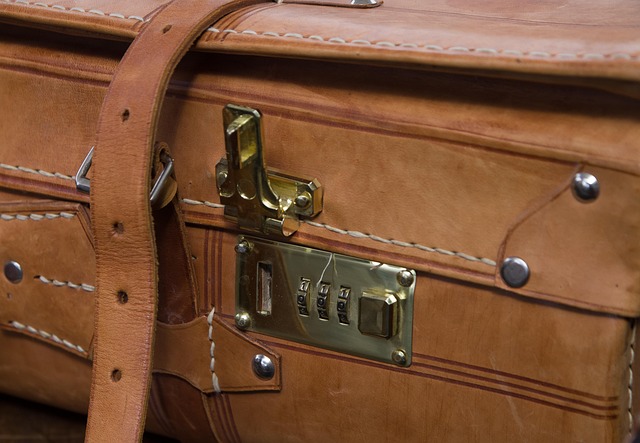
Future of Smart Luggage is redefining the way travelers pack, move, and experience new destinations. From AI‑powered weight sensors that prevent excess baggage fees to solar panels that keep a phone charged during a multi‑city tour, the next generation of luggage is far more than a neat carrier; it is a mini‑assistant that empowers smart travelers, digital nomads, and sustainable explorers alike.
—
Why Smart Luggage is Becoming a Travel Essential
Travelers today juggle increasingly complex itineraries: layovers in multiple hubs, remote work wonders, and a desire for eco‑friendly choices. Smart luggage addresses these needs with real‑time data, connectivity, and automation. Older models simply accommodated items; the new ones communicate with travelers, with airports, and with each other.
In 2024, the global market for smart luggage is projected to surpass $700 million by 2030, driven by upgrades in battery technology, cloud services, and subscription models. These enhancements make luggage a central node in the broader smart travel ecosystem, where departure, arrival, and accommodation data flows through a single app.
—
Choosing the Right Smart Luggage: Key Features to Compare
| Feature | What It Means | Why It Matters |
|———|—————|—————-|
| Built‑in Load Sensor | Reads weight in kilograms | Avoids over‑weight fees and leaks on curvy carry‑on restrictions. |
| Bluetooth Beacon & GPS Tracker | Sends real‑time location to your phone | Alerts you of misplaced bags, helps law enforcement in incidents. |
| Self‑Balancing Wheels | Uses gyroscopic controls for even distribution | Makes navigating crowded terminals smoother, especially for heavier loads. |
| Solar or Charging Ports | Keeps devices powered during long layovers | Eliminates the need to purchase an extra power bank. |
| Smart Locks/NFC | Electronic lock that can be opened via smartphone | Reduces physical keys, enhances secure shipping of fragile items. |
| Eco‑Materials | Recycled or biodegradable polymers | Aligns with sustainable travel goals, reducing single‑use plastic waste. |
| Integrated Airline Integration | Syncs with airline apps for gate changes, baggage fees | Saves time and prevents confusion at the airport. |
When assessing a model, consider your travel patterns. Digital nomads on 90‑day visas may value lightweight battery capacity and robust GPS; weekend explorers targeting sustainable destinations like Costa Rica may prioritize eco‑friendly construction.
—
How Smart Luggage Fits Into Smart Travel Planning
1. Trip Preparation Apps
Pair your luggage’s Bluetooth beacon with apps such as Tripit or Google Trips. By uploading your itinerary, the smart suitcase can pre‑program weight alerts for each stop, ensuring you’re never caught off‑guard by an abrupt rule change.
2. AI Travel Tools for Packing
AI‑powered packing assistants predict weather and activity, recommending clothing and gear. Smart luggage can receive these recommendations and remind you to pack critical items before you leave.
3. Integration With Travel Marketing
Airlines and hotels increasingly collaborate on smart travel platforms. When you check in online, the luggage app can automatically fetch boarding passes, boarding gate changes, and loyalty points updates, turning the suitcase into a marketing hub that keeps you informed about eco‑initiatives or digital‑nomad events at your destination.
—
Sustainable Travel: How Smart Luggage Supports Eco‑Friendly Choices
– Reduced Weight, Lower Carbon Footprint
By alerting you immediately when your baggage exceeds recommended limits, a smart suitcase prevents airlines from having to fuel a heavier load, reducing travel emissions.
– Recycled Materials
Brands are shifting from traditional ABS plastic to upcycled composites. Some models include solar panels that harness sunlight to recharge internal devices, cutting down on disposable batteries.
– Digital Receipts
Shuttle receipts, parking proof, and VR concierge logs can be stored in the suitcase’s cloud, diminishing the need for paper records and fostering traceable sustainability footprints.
Travel marketing now emphasizes these green credentials, rewarding customers with eco‑credits or discounted carbon offsets directly integrated into the suitcase’s app.
—
Pro Tips for the Digital Nomad
1. Leverage ‘Smart Lock’ Features
By recording your locker’s unlock procedures virtually, you can access your suitcase remotely for shipping or storage while abroad—perfect for a long‑term remote work stint.
2. Plan Power Requirements
Whether you’ll be in Tokyo, São Paulo, or Cairo, use the luggage’s built‑in power monitoring to track consumption of your external devices and avoid trip‑ending low‑battery scenarios.
3. Automate Check‑In with AI
Some luggage works with AI travel assistants that handle online booking, ticketing, and baggage classification. Set up these routines before you depart to create a seamless embarkation experience.
4. Cross‑Device Synchronization
Pair the suitcase with multiple devices—smartphone, tablet, and laptop—using the manufacturer’s synchronization service. This is essential for nomads who switch devices frequently.
—
Destination‑Specific Tips
| Destination | Local Insight | Smart Luggage Takeaway |
|————-|—————|————————|
| Tokyo: Crowded subways | Use the luggage’s GPS to track and avoid tourists’ hot spots near train stations. |
| Cairo: Haggling rates | Smart lock can lock onto the museum’s RFID system for quick access to your VR scaffolds for the printed ticket. |
| Marrakesh: Local boutiques | Lip‑reading or QR-coded labels on the suitcase help local shopkeepers identify contents without opening the bag. |
| Lisbon: Solar exposure | Solar panels on your suitcase will keep your devices charged during longer city strolls. |
| Chennai: Monsoon season | Weather‑alert integration within the luggage app will warn of sudden downpours, preserving your electronics. |
These mindful strategies help digital nomads adapt their luggage to each locale’s unique rhythm, turning your gear into a contextual ally.
—
How Airlines Are Using Smart Luggage Data in Travel Marketing
Airlines collect anonymized data on luggage weight and destination patterns to refine smart travel offers. For instance, if your luggage frequently indicates early arrivals for certain cities, airlines can trigger targeted marketing campaigns—discounted city tours or lounge upgrades—to enhance your experience.
Further, some carriers use the luggage app to provide customized safety videos or occupancy alerts, using you‑specified travel times to adjust cabin staffing or security checks. This partnership between smart luggage manufacturers and airlines fosters a better, more personalized journey.
—
Case Study: A 30‑Day Digital Nomad Trek
Traveler: Alex, a graphic designer
Itinerary: New York → Madrid → Bangkok → Vancouver → Nairobi → Tokyo
Smart Luggage Strategy:
1. Pre‑Trip Load Check – Received a 5 % weight warning two days before departure. Alex rebalanced his gear and avoided a $30 overweight fee.
2. Android & iOS Sync – Bag’s sensor updates appeared on Alex’s mobile, allowing him to visualize capacity while packing remote‑workspace monitors.
3. Solar recharge – On the Bangkok flight, the suitcase’s solar panel kept the iPad charged during a 20‑hour layover, which Alex used for an online conference.
4. Location Tracking – In Nairobi, Alex’s luggage went missing for 30 minutes. The beacon’s GPS sent an alert to the local authorities, resulting in a swift recovery after 3 hours.
5. Carbon Offset Integration – At each airline’s check‑in, the suitcase automatically logged a carbon‑offset donation via the embedded travel apis, consuming roughly 350 kg of CO₂ per flight; the app gave Alex a visual report at the end of his trip.
Outcome: Alex saved over $100 in baggage fees, minimized device downtime, and earned 3,400 frequent‑flyer points, all while traveling sustainably.
—
Implementation Checklist for Your Upcoming Trip
– Step 1: Verify your luggage’s firmware is updated.
– Step 2: Register your suitcase in the manufacturer’s cloud account.
– Step 3: Sync the app with your travel planner (Google Trips, TripIt).
– Step 4: Configure weight thresholds—they should be 2 kg below the airline’s carry‑on limit.
– Step 5: Enable GPS blur mode when passing through privacy‑sensitive zones—some airlines use the data to optimize baggage routing.
– Step 6: Install a lightweight solar panel if not built‑in; consider a portable power bank for high‑demand devices.
– Step 7: Put a custom lock phrase in the app; test the NFC unlock sequence before the journey.
Checking off these steps ensures your suitcase is ready to act as your travel advisor.
—
The Bottom Line
The Future of Smart Luggage is not simply about convenience; it integrates with sustainable travel practices, supports the digital nomad lifecycle, and interacts with advanced travel‑marketing ecosystems. With AI travel tools, embedded GPS, and eco‑conscious materials, it stands poised to revolutionize how we see, manage, and experience travel.
Whether you’re charting a globe‑spanning freelance residency, exploring a new city for a weekend, or planning a luxury safari, a well‑chosen smart suitcase can turn a route on a map into a series of teraflops of useful data—augmenting every step of the journey with precision, security, and conscious design.
Let this be the companion that turns packing from a chore into an act of smart travel mastery, letting you step out into the world knowing YOU are the best‑prepared traveler on the planet.